
A sewer inspection report can confront homeowners with unfamiliar terms and a difficult decision. A plumber might recommend trenchless repair, lining, or pipe bursting, even when the report identifies only an underground problem. Before choosing a method, homeowners need to know what the camera revealed and whether the existing sewer line is suitable for the proposed repair.
What Trenchless Repair Means
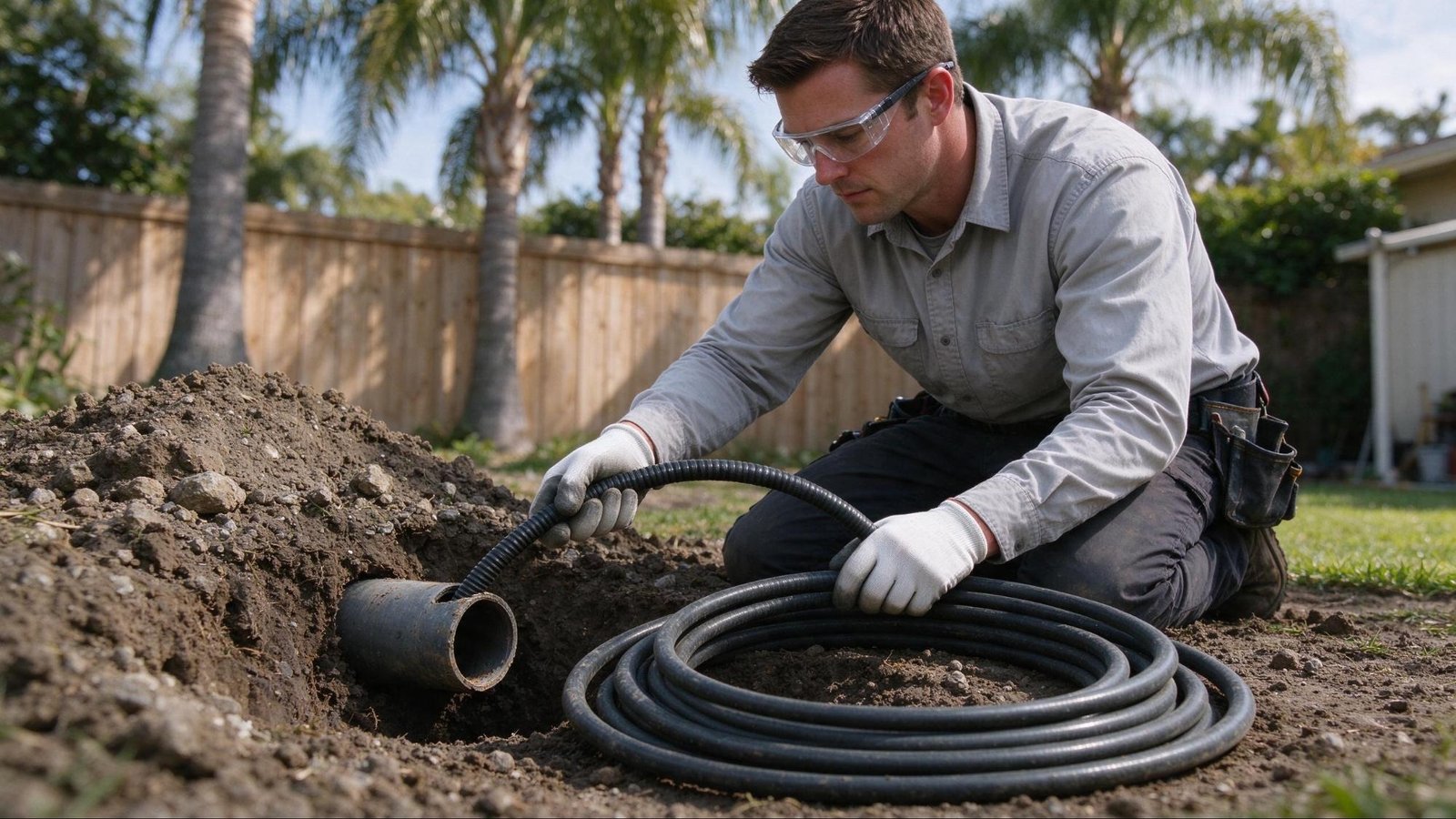
Trenchless repair is a group of methods used to repair or replace an underground sewer pipe without opening a full trench along the entire route. The term is sometimes called no-dig repair, although crews may still need access points to reach the line. The difference matters when a sewer line runs beneath a yard, driveway, walkway, or established landscaping.
A homeowner sorting through a sewer report can use Sewer line repair in Huntington Beach to find and visit a local plumbing business before agreeing to a repair method. A local conversation gives you room to ask what the footage shows and what work the plumber expects to perform. A repair recommendation should make sense in light of the actual pipe condition.
Traditional sewer repair means a plumber digs a trench, removes the old pipe, and installs a replacement. Traditional excavation can disturb the ground above the line because the crew needs access to the damaged area. Digging still has a place when a sewer line’s condition or route doesn’t work with a trenchless method.
The no-dig pipe rehabilitation industry describes trenchless technology as a way to inspect, maintain, or replace pipes while leaving much of the surrounding ground in place. The same industry resource identifies cured-in-place pipe lining and pipe bursting among the methods developed as alternatives to full trench excavation. Less surface disruption is a practical benefit, not a reason to skip diagnosis.
How Pipe Lining Works
Cured-in-place pipe lining, often called CIPP, is a repair method that forms a new structural pipe inside the damaged pipe. A plumber inserts a resin-saturated tube into the existing sewer line, positions it, and cures the material in place. The cured tube becomes a continuous liner within the older pipe rather than requiring the old pipe to be pulled from the ground.
The US Environmental Protection Agency’s CIPP research examines air quality during cured-in-place pipe installation. NASSCO says CIPP has been a common trenchless rehabilitation method for more than 50 years. The process works within the existing pipe, so the existing pipe has to provide a workable path for the liner.
CIPP can address defects such as cracks, leaks, and corrosion, according to NASSCO’s pipe rehabilitation guidance. A liner does not replace every part of the decision, though. The camera footage needs to show whether the pipe can act as the host pipe for a new lining.
The sewer inspection and repair page from Plumbing by Tony shows why inspection comes before a repair recommendation. A plumber needs to diagnose the sewer line before deciding whether lining fits the condition found inside it. Homeowners should expect a plain explanation of what the footage shows before work begins.
How Pipe Bursting Works
Pipe bursting replaces an old pipe by breaking it apart as a new pipe is pulled along the same route. A bursting head travels through the damaged line, pushes the old pipe outward in fragments, and pulls the replacement behind it. Crews work from access points rather than digging up the entire sewer route.
Unlike lining, pipe bursting replaces the old pipe instead of forming a new one inside it. Homeowners reviewing a quote should understand the difference, since the two methods suit different conditions. A plumber may suggest bursting if a camera inspection shows that installing a liner would not be a practical option.
Surface conditions affect pipe bursting, too. A plumber must assess where crews can gain access and how the existing line runs beneath the property. Although the method can reduce the need for a trench along the full route, camera inspection and a site assessment still help determine the work required.
What Camera Footage Shows
A camera inspection shows a plumber the condition inside a sewer line before repair begins. It gives the plumber and homeowner better evidence than a guess based on a slow drain, gurgling fixture, or backup. A clear recording also gives both sides a shared reference for discussing the repair.
A careful assessment may point to lining, which creates a pipe within a pipe, pipe bursting to replace the line, or traditional excavation. NASSCO says rehabilitation decisions follow an assessment of which technology suits the pipe and repair goal. Camera footage alone does not mean trenchless repair is appropriate.
Camera footage can show whether the line offers a usable route for a liner or needs replacement. The plumber should identify where the problem appears, what the existing pipe can still support, and how the recommended method fits those findings. Discussing the video alongside the recommendation can make technical terms easier to understand.
Homeowners in Huntington Beach and nearby Orange County may ask about older pipes and coastal conditions such as salt air. A licensed plumber should diagnose the line, explain the repair method, complete the work, and test the result. The repair name matters less than whether the method suits the pipe’s condition.
Why Regular Inspection Matters
Routine sewer inspections give homeowners a way to spot a developing line problem before it calls for a larger repair. NASSCO says regular inspection and maintenance can help prevent unexpected repair costs or major pipe damage. Inspections cannot forecast every issue, but they provide a documented view of the line and reduce uncertainty.
A camera inspection may help when buying an older home or reviewing an earlier sewer report. The footage can confirm whether the report reflects the line’s current condition and whether its recommended repair fits what the camera shows. Ask for an explanation you can understand, not just a label.
Drain cleaning and hydro jetting remove buildup inside a pipe, while a sewer inspection reveals the pipe’s condition. Slab leak detection has another purpose: finding leaks linked to water lines under or near a foundation. A plumber should diagnose the issue before selecting a service.
What to Do Next
Trenchless repair is a method choice, not a promise that every sewer line can avoid excavation. Pipe lining creates a new pipe within an existing line, while pipe bursting replaces the old pipe by pulling a new one through its route. Camera footage gives the plumber the information needed to explain why one approach fits better than another.
If a sewer problem needs attention outside regular hours, look for a licensed plumber with 24/7 emergency availability who can diagnose the issue calmly. Ask the plumber to walk through the camera footage and explain which repair method fits the line before you agree to the work.