
ByJohn A
How Nighttime Visibility Can Shape Denver Pedestrian Crash Liability
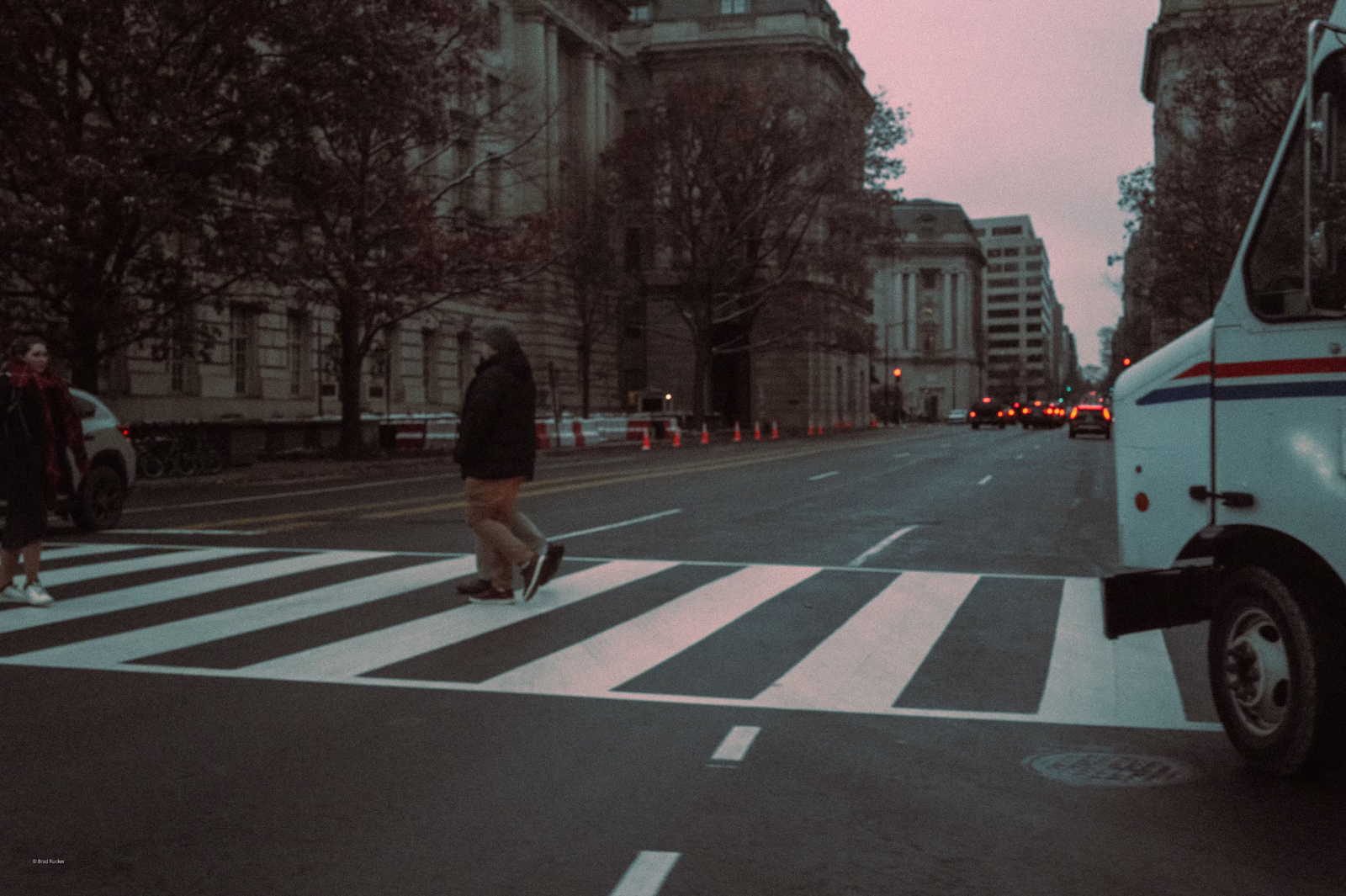
Dark streets, poorly visible crosswalks, glare, weather, and a driver’s failure to maintain a proper lookout can all affect how liability is examined after a pedestrian crash in Denver. Colorado law gives pedestrians specific protections in crosswalks, while drivers must exercise due care to avoid collisions. The circumstances surrounding the crash, including lighting, road design, traffic controls, and what the driver could reasonably see, can become important evidence. A pedestrian accident lawyer Denver residents turn to may examine these details alongside police reports, photographs, video footage, witness statements, and medical records. 5280 Injury Law can help injured pedestrians understand how these facts may relate to a personal injury claim.
Why Darkness Matters After a Pedestrian Crash
Nighttime conditions can change what a driver can see and how quickly the driver can respond. A pedestrian wearing dark clothing may be harder to detect, but that fact alone does not determine liability. The focus is on the circumstances surrounding the collision and the duties that applied to everyone involved.
Street lighting can also matter. Denver states that roadway lights are intended to improve safety and visibility, and responsibility for individual lights may fall to different entities, including the city, transportation agencies, utility providers, or private property owners.
After a crash, investigators may examine questions such as:
- Was the roadway adequately illuminated?
- Was a streetlight operating properly?
- Was glare affecting the driver’s view?
- Were trees, parked vehicles, signs, or other objects blocking visibility?
- Was the pedestrian crossing at a marked or legally recognized crosswalk?
- Was the driver traveling at a speed appropriate for the conditions?
- Did the driver have enough distance to see and react to the pedestrian?
A dark roadway does not automatically shift liability to a government agency or property owner. There must be evidence connecting the condition of the roadway, lighting, or property to the collision and the applicable legal duty.
Colorado Crosswalk Laws Can Affect Liability
Colorado crosswalk laws provide important rules for determining pedestrian and driver responsibilities. Under C.R.S. § 42-4-802, when traffic signals are not controlling the crossing, a driver must yield to a pedestrian crossing within a crosswalk when the pedestrian is on the driver’s half of the roadway or is approaching closely enough on the opposite half to create a danger. The statute also restricts a driver from passing another vehicle that has stopped allowing a pedestrian to cross.
Denver also explains that crosswalks exist at intersections unless pedestrian crossings are prohibited by signs. A painted crosswalk is not the only factor used to identify a legal crossing. The city uses traffic conditions, pedestrian activity, crash history, nearby destinations, crossing distance, and accessible infrastructure when evaluating crosswalk locations.
This distinction can matter after a collision. A driver or insurer may focus on the absence of painted lines, but the legal status of the crossing requires a closer examination of the intersection and applicable traffic rules.
Colorado law also places responsibilities on pedestrians. C.R.S. § 42-4-803 generally requires pedestrians crossing outside a marked or unmarked crosswalk at an intersection to yield to vehicles. A pedestrian also cannot suddenly enter the path of a vehicle that is so close that doing so creates an immediate hazard.
These rules mean a pedestrian injury claim cannot be evaluated solely by asking who had the right of way. The complete sequence of events matters.
Driver Visibility Is More Than a Headlight Issue
Driver visibility involves much more than whether a vehicle’s headlights were turned on. A driver may have difficulty seeing a pedestrian because of darkness, rain, windshield glare, high beams from another vehicle, roadside objects, or the angle of the roadway.
Colorado law separately requires drivers to exercise due care to avoid colliding with pedestrians on roadways. The statute also requires a driver to use a warning when necessary and take proper precautions upon observing a child or an obviously confused or incapacitated person on a roadway.
That duty can be relevant even when a driver argues that the pedestrian was difficult to see.
For example, a driver approaching a crosswalk at night may need to account for reduced visibility instead of maintaining the same driving behavior used under clear daylight conditions. Evidence showing the driver’s speed, lane position, braking, road conditions, and line of sight can help establish what happened immediately before impact.
What Evidence Can Show About Visibility
Visibility disputes are often difficult to resolve from statements alone. Physical and digital evidence can provide a more precise picture of the roadway at the time of the collision.
Useful evidence may include:
- Photographs showing lighting and sightlines at the crash location
- Traffic or surveillance camera footage
- Dashcam or nearby vehicle video
- Police crash reports and diagrams
- Statements from pedestrians, drivers, and witnesses
- Vehicle damage and debris locations
- Streetlight maintenance or outage records
- Crosswalk signs, markings, signals, and traffic-control records
- Weather and roadway-condition information
- Photographs showing obstructions near the crossing
The timing of photographs can also matter. A scene photographed during daylight may not accurately show the visibility of conditions that existed during a nighttime collision. Recreating the relevant lighting conditions can provide a clearer understanding of what a driver could have seen.
How Crosswalk Conditions Can Become Evidence
Crosswalk design can influence both pedestrian visibility and driver awareness. Faded markings, limited lighting, blocked signs, unusual road geometry, or a crossing located near a curve can create circumstances that deserve closer examination.
Denver’s transportation guidance recognizes several types of pedestrian crossing treatments, including rectangular rapid flashing beacons and high-intensity activated crosswalk signals. The city considers factors such as vehicle speeds, pedestrian activity, crash history, and the distance from other enhanced crossings when assessing these installations.
This does not mean that the absence of an enhanced crossing automatically establishes negligence. It does mean that the physical characteristics of the location may provide useful context when reconstructing a crash.
A pedestrian accident attorney in Denver residents consult may review the intersection from the pedestrian’s approach and the driver’s approach. Looking at both perspectives can reveal blocked sightlines or roadway features that are not obvious from a standard crash report.
Liability May Involve More Than the Driver
Many pedestrian claims involve allegations that a driver failed to yield, failed to maintain a proper lookout, drove too fast for conditions, or otherwise failed to exercise reasonable care. But the facts can sometimes raise questions about roadway conditions or the actions of other parties.
For example, a malfunctioning traffic signal, an obstructed sign, inadequate maintenance, or a dangerous condition on private property near a crossing could require further investigation. The responsible party depends on who controlled the condition, what legal duty applied, and what evidence connects that condition to the crash.
Claims involving public entities can also involve additional legal requirements, so identifying a government agency in a crash investigation does not by itself establish liability.
The evidence should therefore be gathered before assumptions are made about who is responsible.
How Fault Arguments Can Affect a Pedestrian Claim
Pedestrian cases sometimes involve competing accounts of what happened. A driver may claim the pedestrian appeared suddenly, crossed outside the crosswalk, wore dark clothing, or was difficult to see. A pedestrian may have a different account of the crossing and the driver’s behavior.
Colorado’s judicial pattern instructions recognize that a pedestrian properly in a crosswalk has the right of way over vehicular traffic. They also recognize that a pedestrian outside a crosswalk is not automatically negligent simply because the person was not in a crosswalk. The circumstances and whether the pedestrian’s conduct contributed to the injuries must still be considered.
That makes the evidence particularly important. A single statement about visibility may not tell the complete story.
An investigation may need to establish:
- Where the pedestrian was before impact
- Where the vehicle was traveling
- Which traffic signal or crossing control applied
- How far the driver could see
- Whether another vehicle blocked the driver’s view
- How the driver responded before impact
- What roadway and lighting conditions existed
- Whether another party’s conduct contributed to the collision
These details can help separate assumptions from evidence.
What Injured Pedestrians Should Document
A pedestrian who is physically able to preserve information after a crash can take practical steps that may help later. Medical treatment and immediate safety should remain the priority, but documentation can become valuable as the investigation develops.
Photographs should capture the broader scene rather than only the vehicle or injuries. Images of the intersection, crosswalk markings, signs, streetlights, nearby vehicles, lane configuration, and surrounding buildings may help establish the conditions.
Medical records are also important because they connect the collision to the injuries and document treatment. Keep records related to emergency care, follow-up appointments, prescriptions, diagnostic testing, rehabilitation, and work restrictions.
Do not rely solely on memory. Details about lighting, traffic signals, vehicle movement, and the pedestrian’s location can become harder to recall after a serious collision.
How a Denver Pedestrian Lawyer May Examine the Crash
A Denver pedestrian accident attorney may start by reviewing the crash report and available medical documentation, then examine the physical location and available evidence.
The investigation may include traffic-camera footage, nearby surveillance, witness information, photographs, vehicle evidence, road conditions, and applicable traffic statutes. The purpose is to build a factual account of how the collision occurred rather than relying on a single version of events.
5280 Injury Law can review the circumstances surrounding a pedestrian injury and help identify the evidence that may be relevant to liability. A Denver pedestrian accident lawyer may also examine how the injuries affect medical care, work, daily activities, and other documented losses.
Protecting the Evidence After a Nighttime Crash
Evidence can become harder to obtain as time passes. Surveillance systems may overwrite recordings, roadway conditions can change, damaged vehicles may be repaired, and streetlight or traffic-control conditions may be different from those present during the collision.
For that reason, preserving evidence should be treated as part of the early investigation.
A useful record can include the crash report, photographs, medical records, witness information, insurance correspondence, employment records related to missed work, and documentation of changes to the crash location.
The goal is not simply to show that a pedestrian was injured. A strong factual record should help explain how the collision happened, what duties applied, and how the injuries affected the person’s life.
Understanding the Role of Lighting and Crosswalk Evidence
Dark streets and poor visibility do not automatically determine who is liable after a Denver pedestrian crash. The legal analysis depends on the facts, including the driver’s conduct, the pedestrian’s actions, the location of the crossing, traffic controls, roadway conditions, lighting, and evidence showing what each person could reasonably see.
Colorado law gives pedestrians significant protections in crosswalks while also imposing duties on pedestrians outside protected crossings. Drivers have an independent duty to exercise due care around pedestrians.
For an injured pedestrian, preserving evidence can make these distinctions easier to evaluate. Talk to Our Team at 5280 Injury Law to discuss the circumstances of a crash, the available evidence, and the legal issues that may affect a pedestrian injury claim. A careful review of the roadway, crosswalk, lighting, driver visibility, and medical documentation can provide a clearer factual foundation for determining how the claim should proceed.
