ByJohn A
Medium Voltage Metal Enclosed Switchgear for Reliable Power Distribution
Reliable electricity distribution is essential for industrial facilities, commercial buildings, utility networks, infrastructure projects, and other applications that depend on continuous power. As electrical systems become more complex and power demands increase, organizations need equipment that can safely control, protect, and distribute electrical energy. Medium voltage metal enclosed switchgear is an important part of many such systems.
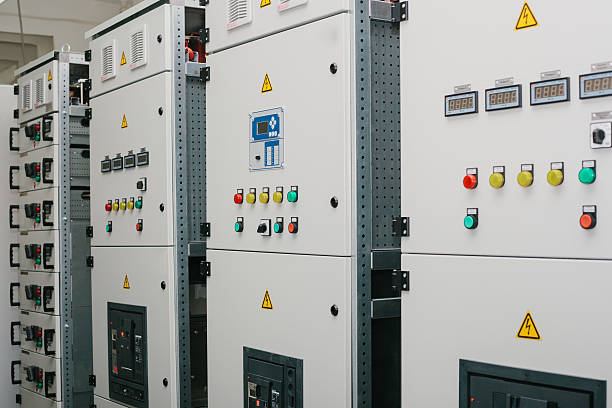
Designed to manage medium-voltage electrical circuits, metal enclosed switchgear combines switching devices, protective equipment, busbars, and control components within a robust enclosure. Its design can help protect electrical components from environmental conditions while providing organized access for operation and maintenance.
Selecting the right switchgear requires consideration of voltage levels, current requirements, fault conditions, installation environments, safety requirements, and future expansion. Understanding the features and applications of medium voltage metal enclosed switchgear can help electrical professionals develop reliable power distribution systems.
What Is Medium Voltage Metal Enclosed Switchgear?
Medium voltage metal enclosed switchgear is an electrical assembly designed to control, protect, and distribute power at medium-voltage levels. The equipment typically incorporates circuit breakers, disconnecting devices, busbars, instrument transformers, protective relays, and other components within a metal enclosure.
The enclosure separates electrical components from the surrounding environment and helps provide a structured arrangement for power distribution.
See also: Level Up Your Credentials with DAH’s Professional Programs
Main Components of Medium Voltage Switchgear
A typical medium voltage switchgear lineup can include several important components:
- Circuit breakers
- Load interrupter switches
- Disconnect switches
- Busbars
- Current transformers
- Voltage transformers
- Protective relays
- Grounding switches
- Control panels
- Cable terminations
- Surge protection devices
The exact configuration depends on the electrical system and application.
How Metal Enclosed Switchgear Works
Incoming medium-voltage power enters the switchgear through an incoming feeder. The power is then distributed through busbars to outgoing feeders or connected equipment.
Circuit breakers and protective relays monitor and control electrical circuits. If a fault or abnormal operating condition occurs, the protection system can initiate circuit interruption to isolate the affected section.
This arrangement helps divide a larger electrical system into manageable sections.
Importance of Reliable Power Distribution
Electrical distribution equipment must perform consistently under normal operating conditions and respond appropriately when faults occur.
Managing Electrical Loads
Medium voltage switchgear can distribute electrical power to transformers, motors, industrial machinery, building systems, and other loads.
By organizing multiple feeders within a centralized assembly, switchgear can provide a practical method for managing complex electrical networks.
Supporting Power System Continuity
Electrical faults can cause unexpected interruptions and equipment damage. Properly coordinated switchgear protection can help isolate affected circuits while allowing other parts of the distribution system to continue operating when system design permits.
This can be especially important in industrial facilities where electrical interruptions may affect production processes.
Key Benefits of Metal Enclosed Switchgear
Metal enclosed construction provides several advantages for medium-voltage power distribution.
Enhanced Equipment Protection
The metal enclosure helps shield internal components from dust, moisture, accidental contact, and other environmental influences.
This protection can contribute to reliable operation, particularly when the switchgear is installed in demanding environments.
Improved Electrical Safety
Metal enclosed switchgear can help separate energized components from personnel. Properly designed enclosures, interlocks, grounding arrangements, and access controls can reduce the risks associated with operating medium-voltage equipment.
Only trained and authorized personnel should operate or maintain medium-voltage switchgear.
Organized Electrical Distribution
Switchgear provides a structured arrangement for incoming and outgoing circuits. This organization can simplify system management and make it easier for qualified personnel to identify individual feeders.
Clear labeling and accurate electrical documentation are important parts of this organization.
Applications of Medium Voltage Metal Enclosed Switchgear
Medium voltage metal enclosed switchgear is used across a wide range of electrical applications.
Industrial Facilities
Manufacturing plants, processing facilities, mining operations, and other industrial sites often require medium-voltage distribution systems.
Switchgear can distribute power to transformers, large motors, pumps, compressors, production equipment, and other electrical loads.
Commercial Buildings
Large commercial properties may use medium-voltage switchgear as part of their electrical infrastructure. Office complexes, hospitals, shopping centers, hotels, and institutional facilities can require centralized medium-voltage power distribution.
Utility Distribution Systems
Electric utilities can use medium-voltage switchgear for distribution substations and feeder systems. The equipment can provide switching and protection between distribution circuits and connected loads.
Renewable Energy Installations
Solar farms, wind power projects, battery energy storage systems, and other renewable energy facilities may incorporate medium-voltage switchgear to collect and distribute generated electricity.
The switchgear can provide protection and switching between generation equipment, transformers, and grid connections.
Circuit Protection and Fault Management
One of the most important functions of medium voltage switchgear is protecting electrical equipment during abnormal conditions.
Overcurrent Protection
Overcurrent conditions can occur due to excessive loads, short circuits, or equipment failures. Circuit breakers and protective relays can detect specified abnormal conditions and interrupt affected circuits.
Correct protection settings are essential for effective operation.
Short-Circuit Protection
Short-circuit currents can be significantly higher than normal operating currents. Medium-voltage switchgear must be rated to withstand and interrupt the expected fault current of the installation.
Engineers typically evaluate available fault current when specifying switchgear.
Ground Fault Protection
Ground faults occur when a phase conductor comes into contact with ground or grounded equipment. Protective relays can detect ground-fault conditions and initiate circuit interruption according to the protection scheme.
Proper grounding and relay coordination are essential components of an effective fault-protection system.
Selecting Medium Voltage Metal Enclosed Switchgear
Choosing suitable switchgear requires careful evaluation of electrical and environmental requirements.
Voltage and Current Ratings
The switchgear should be rated for the system’s nominal voltage, maximum operating voltage, and continuous current requirements.
The busbar and feeder ratings should also accommodate expected loads without exceeding their specified limits.
Short-Circuit Rating
The switchgear’s short-circuit withstand and interruption ratings should be compatible with the available fault current at the installation point.
This is a critical safety and equipment-protection consideration.
Environmental Conditions
Installation conditions can influence enclosure and component selection. Factors such as temperature, humidity, dust, corrosive substances, altitude, and indoor or outdoor installation should be evaluated.
An appropriate enclosure rating can help protect switchgear from the conditions present at the site.
Maintenance of Medium Voltage Switchgear
Routine maintenance is important for supporting reliable switchgear performance and identifying developing problems.
Visual and Mechanical Inspections
Qualified personnel can inspect switchgear for signs of corrosion, contamination, overheating, physical damage, loose connections, or abnormal mechanical operation.
Operating mechanisms and interlocks should also be checked according to the manufacturer’s maintenance recommendations.
Electrical Testing
Depending on the system and equipment, maintenance may include insulation testing, contact resistance measurements, circuit-breaker testing, relay testing, and other diagnostic procedures.
Testing intervals should be established according to manufacturer instructions, applicable standards, operating conditions, and facility maintenance practices.
Safety Considerations During Operation
Medium-voltage electrical equipment can present serious electrical hazards. Appropriate procedures and qualified personnel are essential.
Proper Grounding
Grounding systems provide a controlled path for fault current and help maintain safe electrical reference conditions.
Switchgear grounding arrangements should be designed and installed according to applicable electrical standards and manufacturer requirements.
Interlocking Systems
Mechanical and electrical interlocks can help prevent certain unsafe switching operations. These systems should be maintained and tested as recommended.
Clear Access and Labeling
Adequate working space should be maintained around switchgear. Equipment labels, circuit identification, warning signs, and updated electrical drawings can support safer operation and maintenance.
Advantages for Modern Power Systems
Modern medium voltage switchgear can incorporate advanced monitoring and protection technologies.
Digital Protection and Monitoring
Modern protective relays can monitor voltage, current, frequency, power, and other electrical parameters. They may also record fault information that can help technicians investigate electrical events.
Remote Monitoring
Depending on the equipment, switchgear can be integrated with supervisory control and data acquisition or facility management systems.
Remote monitoring can provide operators with information about equipment status and electrical conditions without requiring constant physical access.
Planning for Future Expansion
Electrical requirements often change as facilities grow. New machinery, additional production areas, or increased building capacity can increase electrical demand.
Spare Feeder Capacity
When practical, switchgear can be designed with provisions for future feeders or expansion sections. Planning for additional capacity during the initial project can simplify future modifications.
Scalable Design
Modular switchgear arrangements can provide flexibility for certain projects. The possibility of future expansion should be considered alongside available installation space, electrical load forecasts, and equipment compatibility.
Conclusion
Medium voltage metal enclosed switchgear is a critical component of reliable power distribution systems. By combining switching, protection, control, and distribution functions within a structured metal enclosure, it can help organizations manage medium-voltage electrical networks safely and efficiently.
Its applications extend across industrial facilities, commercial buildings, utility networks, renewable energy installations, and infrastructure projects. Features such as circuit protection, organized feeder distribution, grounded enclosures, monitoring capabilities, and controlled switching can contribute to dependable electrical system operation.
Selecting the appropriate switchgear requires careful evaluation of voltage and current ratings, short-circuit levels, environmental conditions, protection requirements, installation arrangements, and future expansion plans. Regular inspection, testing, and preventive maintenance are also important for maintaining equipment reliability.
When properly engineered, installed, operated, and maintained, medium voltage metal enclosed switchgear can provide a durable foundation for safe and dependable power distribution while supporting the evolving electrical demands of modern facilities.