ByJohn A
Residential Surge Protector Installation Can Be a Smart Upgrade for Homes with Sensitive Electrical Equipment
Most homeowners picture surges in electricity input as rare events tied to lightning. The truth sits closer to home. Small voltage spikes move through household wiring almost daily, quietly shortening the life of expensive electronics. Residential surge protector installation addresses that steady wear at the source, before the damage shows up as a dead device.
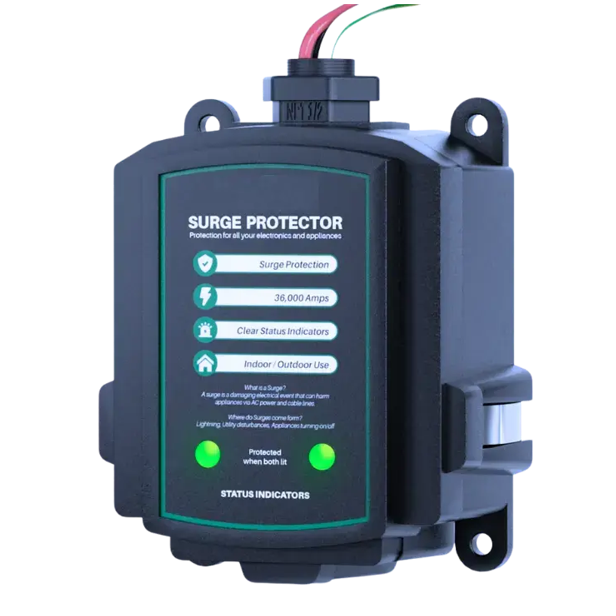
A home replete with computers, streaming gear, and connected thermostats carries far more vulnerable circuitry than the wiring systems beneath it were built for. Residential surge protector installation places a defensive layer at the electrical panel, where incoming energy gets clamped down before it reaches the sensitive boards inside modern appliances.
Sensitive Equipment Most Homes Already Own
Devices Built on Low-Voltage Circuit Boards: Computers, televisions, gaming consoles, and sound systems run on delicate internal components built to run on steady, predictable current. Smart-home hubs, video doorbells, and wireless thermostats belong in the same group. Each draws little power yet depends on precise voltage, which makes brief electrical disturbances damaging in ways you would rarely trace back to the wiring.
HVAC Controls and Major Appliances Count Too: Furnace control boards, heat pump logic modules, and variable-speed blower motors now rely on the same microprocessor technology found in laptops. Refrigerators, washers, and ovens have followed. A single spike can leave the mechanical parts intact while the control board fails, turning what was once a simple repair into a full replacement.
What Voltage Spikes Do to Connected Equipment
Damage Builds Long Before Anything Stops Working: Most surge damage happens gradually rather than all at once. Each spike wears down the insulation and solder joints inside a circuit board, so the device keeps running with less margin than before. Months later, an ordinary spike finishes the job, and the failure looks random even though the wear had been building.
Where the Real Defense Gets Installed: Electricians working in older Indianapolis homes routinely see clusters of failed electronics in houses with no panel-level defense at all. A surge protective device mounted at the panel diverts excess energy to ground within nanoseconds, long before it travels down branch circuits. Waiting until after a failure only narrows your options and raises the bill.
Situations Calling for an Extra Layer of Defense
Storm Exposure and Utility Switching in Central Indiana: Midwest thunderstorm season brings both direct lightning strikes and the grid switching operations utilities perform to restore service afterward. Those switching events push energy back through neighborhood lines. Homes near industrial users, hospitals, or large commercial buildings see the same effect on ordinary days as heavy motors and compressors cycle nearby.
Older Wiring Paired with New Technology: Houses built before 1980 in neighborhoods like Irvington or Meridian-Kessler were wired for a fraction of today’s electrical load. Adding an EV charger, a heat pump, or a home office to that framework raises the payoff from residential surge protector installation, because the newest equipment in the house is usually the most fragile.
Panel-Level Defense Compared with Plug-in Strips
What a Power Strip Can and Cannot Absorb: Plug-in strips handle small spikes at a single outlet and cost very little, which makes them a sensible last line of defense. They cannot stop a large surge arriving from the utility line, and they leave hardwired equipment like furnaces, ovens, and well pumps completely uncovered. Their suppression parts also wear out silently.
Why Layered Coverage Works Better Than Either Alone: A device mounted at the service panel intercepts the large events first and reduces what reaches the rest of the house. Point-of-use strips then catch the smaller disturbances generated inside the home by motors and compressors. The panel unit costs more upfront and needs licensed work, though it covers every circuit instead of one outlet.
Fitting the Work to a Home’s Existing Electrical System
Panel Capacity and Grounding Come First: A surge device can only send energy somewhere safe if the path is sound, which is why electrical grounding gets inspected before anything is mounted. Loose connections, corroded rods, and missing bonding jumpers all reduce performance. Older 60 amp and 100 amp panels may need replacement before there is physical room for the hardware.
Permits, Utility Coordination, and Long-Term Value: Work at the panel requires a permit through Indianapolis DBNS and a brief power interruption coordinated with AES Indiana, which most crews complete in a single visit. Planned properly, residential surge protector installation lasts through years of storm seasons and shields appliances worth many times the cost of the device itself.
Signs a Household Would Benefit from Stronger Coverage
Certain patterns show up repeatedly in homes where residential surge protector installation makes the clearest difference. Spotting them early gives you the chance to act while the equipment still works, rather than after a replacement invoice arrives. The following signals are worth checking against any house holding a meaningful amount of connected technology.
- Lights that dim or flicker when large appliances start point to voltage instability inside the wiring.
- Electronics failing sooner than their expected lifespan often signal repeated low-level spikes.
- A panel carrying Federal Pacific or Zinsco labeling needs attention before any new hardware is added.
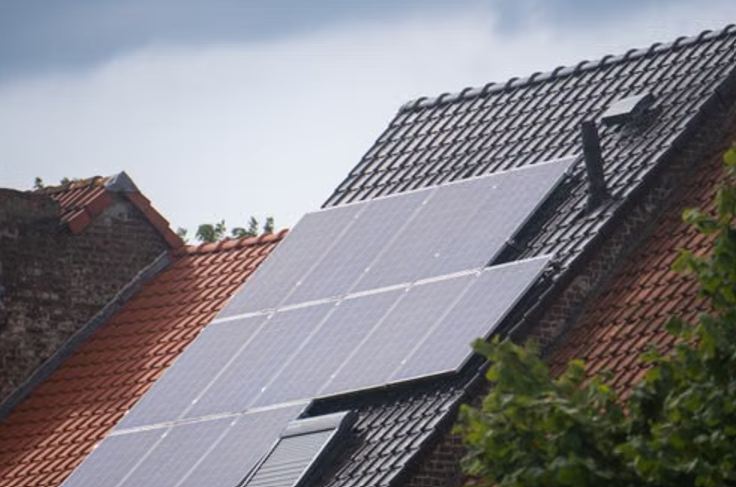
- Homes with solar arrays, EV chargers, or backup generators have more entry points for stray energy.
- Frequent neighborhood outages mean more restoration spikes arriving at the house each year.
See also: Off-Grid in Ontario Can Support Commercial and Remote Sites without a Traditional Utility Connection
Protecting the Technology a Household Depends On
One panel-mounted device quietly defends every circuit in the house, from the furnace board to the laptop on the kitchen counter. Each storm season without it is another chance for damage nobody planned for. Book a no-pressure assessment with Zimmerman Electric Indy and get a clear answer back within a day.