
Natural daylight can have a major impact on the appearance and usability of a building. However, many properties, particularly those with flat roofs, have limited access to natural light through traditional windows.
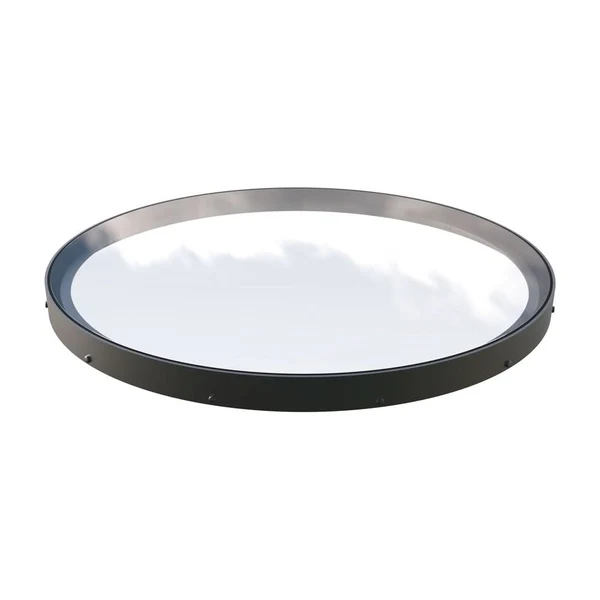
Roof lights for flat roofs provide a practical solution by allowing daylight to enter through the roof. They can be used in homes, extensions, offices, warehouses, workshops, retail properties and other commercial buildings.
For property owners planning a new construction or renovation project, selecting the right rooflight requires careful consideration of the building, roof construction and intended use.
Skylights Roof Lanterns provides rooflight solutions for customers looking to improve natural daylight in residential and commercial spaces.
Why Use Roof Lights on Flat Roofs?
Flat roofs can be ideal for modern construction, but they can create challenges when it comes to natural lighting.
A room beneath a flat roof may have limited wall space for windows. In an extension, for example, neighbouring properties or the design of the building may restrict the amount of daylight entering through the walls.
A rooflight provides another route for natural light.
Because daylight enters from above, it can reach areas that may otherwise depend heavily on artificial lighting.
Roof Lights for Residential Properties
Homeowners often consider rooflights when creating extensions or renovating existing spaces.
Kitchen extensions are a particularly common application. A flat roof over a new kitchen can provide plenty of roof area for a rooflight while maintaining a clean exterior design.
Roof lights can also be considered for:
- Dining areas
- Living rooms
- Home offices
- Hallways
- Flat-roof renovations
- Single-storey extensions
The objective is generally to make the interior brighter while maintaining a practical and attractive design.
Roof Lights for Commercial Buildings
Commercial properties can benefit from rooflights in many different ways.
Offices, warehouses, workshops, retail premises and industrial buildings may contain large areas where conventional windows provide insufficient daylight.
Rooflights can be positioned across the roof to help distribute daylight throughout the interior.
For larger commercial properties, a carefully planned rooflight layout can be an important part of the building’s overall daylight strategy.
Choosing Roof Lights for Flat Roofs
When choosing roof lights for flat roofs, several factors should be considered.
Roof Structure
First, understand the construction of the roof.
The rooflight needs to be compatible with the existing roofing system and the structure supporting it.
Size
Rooflight size can influence the amount of daylight entering the room.
However, the largest available rooflight is not necessarily the best choice. The correct size should be determined by the room, roof structure and desired lighting effect.
Position
Where the rooflight is positioned can influence how effectively daylight is distributed.
Careful planning can help ensure that the light reaches the areas where it is most needed.
Glazing
Different glazing options can provide different levels of light transmission and thermal performance.
Review product specifications before making a decision.
Installation
Correct installation is essential to protect the roof from weather-related problems.
The rooflight should be properly integrated with the surrounding roofing materials and installed according to the manufacturer’s requirements.
Rooflights and Commercial Workspaces
A well-lit commercial environment can feel more welcoming and functional.
In an office, natural daylight can help create a brighter atmosphere. In retail premises, it can improve the appearance of the customer environment. In warehouses and workshops, rooflights can provide useful daylight across larger spaces.
Every building is different, so the number, size and position of rooflights should be planned according to the property’s requirements.
Fixed or Opening Rooflights?
When selecting roof lights for flat roofs, consider whether ventilation is required.
Fixed rooflights are designed primarily to provide daylight and do not open.
Opening rooflights can provide ventilation as well as natural light.
The appropriate choice depends on the building’s ventilation strategy and intended use.
For commercial buildings with mechanical ventilation, fixed rooflights may be sufficient. In other applications, opening rooflights may offer additional functionality.
Thermal Performance
Rooflights form part of the building envelope, so thermal performance should be considered during product selection.
The rooflight should work effectively with the building’s insulation and other glazing.
When comparing options, review the manufacturer’s available performance information and consider the overall requirements of the building.
Weather Resistance
Because rooflights are installed in the roof, they are directly exposed to external weather conditions.
Proper product selection and installation are therefore essential.
The rooflight should be suitable for the application and correctly sealed and integrated with the roof system.
Maintenance
Like other building components, rooflights can benefit from regular inspection and cleaning.
Dirt and debris can affect the amount of daylight passing through the glazing. Periodic maintenance can help keep the rooflight performing effectively.
Maintenance requirements will vary depending on the product and its location.
Why Choose Skylights Roof Lanterns?
Skylights Roof Lanterns provides rooflight solutions for residential and commercial projects.
The right rooflight should be selected according to the building rather than simply based on appearance or price.
By considering the roof structure, daylight requirements, ventilation, glazing, thermal characteristics and installation, property owners can make a more informed decision.
Planning Your Rooflight Project
Rooflights should ideally be considered during the early planning stages of a project.
This allows the size and location to be coordinated with the roof structure and interior layout.
For commercial properties, early planning is particularly useful because multiple rooflights may be required.
For residential extensions, planning the rooflight alongside the kitchen, living area or other interior space can help achieve a more balanced distribution of daylight.
Natural Light for Modern Buildings
As modern building design increasingly focuses on comfort, functionality and efficient use of space, natural daylight remains an important consideration.
Rooflights provide a practical way to bring daylight into areas where conventional windows may not be enough.
Whether you are improving a home extension or developing a commercial property, the right rooflight can contribute to a brighter and more inviting interior.
See also: Expert Door Security Installation for Homes and Businesses
Final Thoughts
Roof lights for flat roofs can provide a practical and attractive way to introduce natural daylight into residential and commercial buildings.
From home extensions and kitchens to offices, warehouses and retail premises, rooflights can be adapted to many different applications.
The key is to choose a product that suits the roof structure and the requirements of the building. Consider size, position, glazing, thermal performance, ventilation, weather resistance and installation before making your decision.
With appropriate planning and a suitable rooflight solution from Skylights Roof Lanterns, property owners can make better use of natural daylight and create brighter, more comfortable and functional spaces.